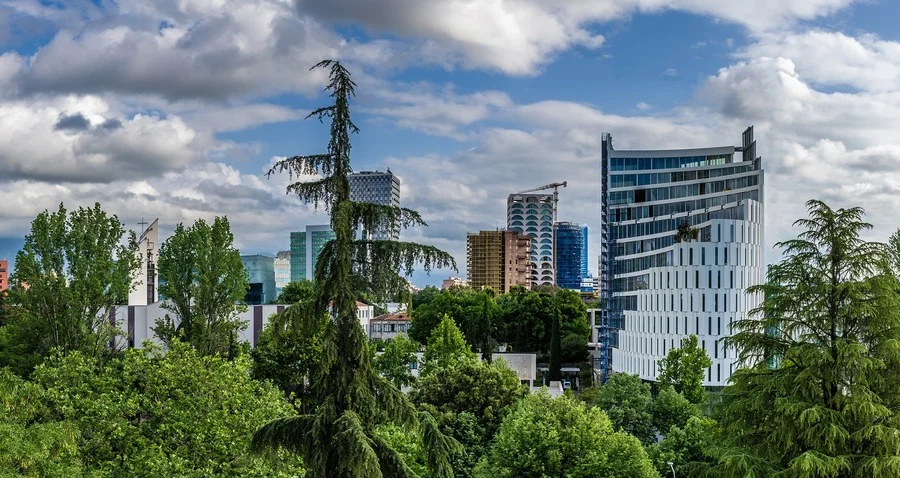
A burgeoning Albanian startup ecosystem is rapidly taking shape, driven by local founders committed to building innovative companies. These entrepreneurs are choosing to develop their ventures within Albania. However, they critically need early-stage funding and robust connections to international investors.
Remarkable activity is unfolding in Tirana’s co-working spaces and university laboratories. Young innovators are actively developing products for a global market. This emerging ecosystem deserves far more recognition than it currently receives.
Albania boasts stronger fundamental strengths than many observers realize. The nation has a youthful, tech-literate population, which contributes to competitive operational costs. Moreover, a new generation increasingly seeks to build companies rather than simply find employment.
English proficiency is high among Albanians under 35. A visible entrepreneurial spirit is fostering numerous hackathons, coding academies, and university programs. Consequently, founders now view Tirana not as a temporary stop, but as a place to establish their businesses.
Exposure has significantly improved in recent years. Albanian founders are no longer working in isolation. Accelerator programs provide structured mentorship, investor access, and introduce international standards to the local market. These efforts are yielding tangible results.
When global investors first assess Albanian companies, they consistently find no shortage of talent or ambition. Instead, the primary challenge is often a lack of prior exposure to international capital flows and customer expectations. This gap, however, closes quickly as founders engage with experienced builders and funders.
Nevertheless, significant gaps persist, demanding plain acknowledgement. Early-stage capital remains the most substantial constraint. Albania possesses fewer active angel investors and venture funds compared to its regional neighbors. Furthermore, a two-way visibility problem exists: promising Albanian companies often remain unknown internationally, and global investors rarely consider Albania as a primary target.
These challenges are not unique to the Albanian startup ecosystem, nor are they insurmountable. Bridging these gaps requires sustained, structured contact between local founders and the global ecosystem. It also demands committed investors, corporate partners, and experienced mentors who can share vital lessons. Ecosystems mature through active deal flow, follow-on funding, and visible founder success, inspiring future generations.
Events like regional startup expos are crucial for this development. Their value lies not in keynote speeches, but in effective matchmaking. These events connect founders with understanding investors, facilitate corporate scouting for partners, and allow policymakers to hear directly from innovators about critical issues. A well-executed event can compress years of organic networking into a few focused days. This compression is vital in a market where capital and attention are still scarce.
Uranik Begu, Managing Director at Plug and Play, observes this critical juncture. If Albania’s startup scene is to transition from promising to proven, the path is clear: more early-stage capital and more deliberate connections between local ambition and international expertise. The talent is undoubtedly present. Now, the necessary financial and relational infrastructure must be built to allow this potential to flourish. Albania’s startup story is actively being written by those who choose to build here.