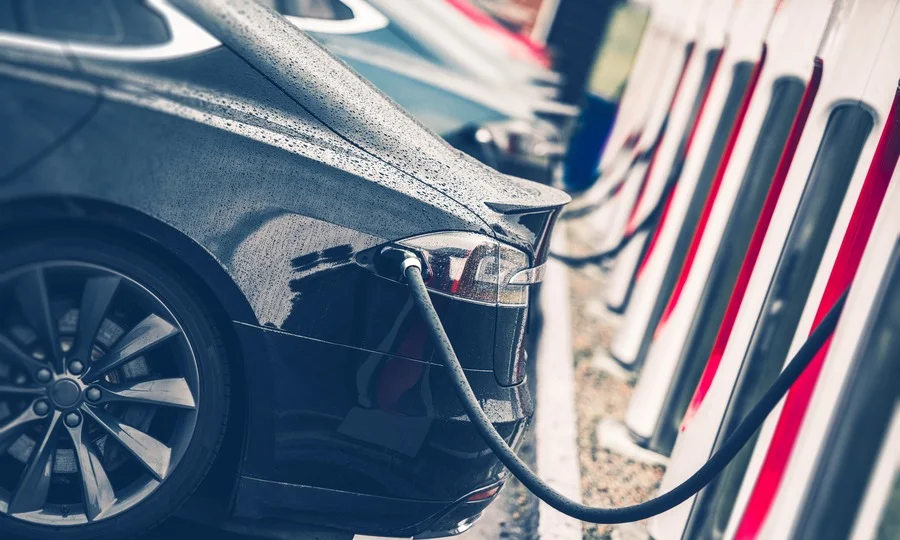
The European Commission is now clearly stating a new understanding of electric vehicles. It emphasizes that widespread EU electric car security offers Europe vital independence. This shift moves beyond traditional environmental benefits, acknowledging geopolitical and economic realities.
Rudolf Diesel envisioned engines running on diverse fuels in 1900. His name, however, became synonymous with a fuel Europe heavily imports today. Europe relies on foreign suppliers for nearly all its crude oil and petroleum products. This reliance creates significant vulnerability.
Oil prices have seen extreme volatility since 2022. Brent crude soared past $120 per barrel in June 2022, following Russia’s invasion of Ukraine. Moreover, a near-collapse in Strait of Hormuz shipping pushed prices up by 65 percent in March 2026 alone. By mid-September, a barrel cost around $107, a 50 percent rise year-on-year.
Europe imported 96.6 percent of its oil in 2024. Therefore, electrifying transport offers profound advantages beyond climate concerns. Electric cars draw power from various domestic sources like solar, wind, nuclear, or hydro. This flexibility means the energy source can change without altering the vehicle itself.
Brussels has recognized this strategic imperative. The Commission’s Electrification Action Plan, published on July 17, outlines key benefits. It predicts a €260 billion annual cut in the EU’s fossil fuel import bill by 2040. Furthermore, it projects significant reductions in geopolitical vulnerability.
Electric vehicles already save the EU an estimated 140,000 barrels of oil daily. Driving a battery-electric car can also cost up to 78 percent less than a petrol equivalent. However, the Commission previously focused mainly on CO2 standards and climate neutrality. This approach often met with public resistance.
Polling data reflects this public skepticism. A YouGov survey showed only 8 percent of respondents in major European markets preferred a fully electric model. Similarly, Bloomberg Intelligence found just 18 percent of prospective buyers would choose an EV. A significant 68 percent desired delaying or dropping the 2035 ban on new petrol and diesel car sales. Consequently, the Commission proposed softening the 2035 target in December 2025.
This policy inconsistency is also evident at national levels, such as in Poland. An earlier government aspired to one million electric cars within a decade. Meanwhile, the current government has subsidized petrol and capped pump prices. Its national EV subsidy scheme, “NaszEauto,” ran out of funds in January and closed applications in April.
As a result, EV registrations in Poland began to decline. From January to August, new battery-electric car registrations fell by 2.1 percent year-on-year. August alone saw a third fewer sales, marking the fourth consecutive monthly drop. By contrast, Germany, with its grants of up to €6,000, saw a 48 percent rise in EV registrations during the first half of the year.
Another inconsistency lies in carbon pricing. Under the EU Emissions Trading System, power stations pay €88 per tonne of CO2. This cost directly impacts electricity prices, thus affecting EU electric car security. However, road fuels, refined from imported crude, will not enter EU carbon pricing until 2028. This means imported oil avoids the same carbon cost as domestic energy sources.
Europe must therefore reframe its public communication on electric vehicles. Leaders should emphasize price, convenience, and energy security over moral pressure. Managing the transition from coal is also crucial, ensuring domestic power sources remain robust. The electric car offers the flexibility Rudolf Diesel dreamed of, with diverse energy inputs. Brussels now holds the data to make its case effectively. It must act before falling oil prices make the switch seem less urgent to consumers.