Austrian aid organizations are urging the government to adopt a values-based foreign policy. This appeal comes as Austria prepares for its upcoming UN Security Council membership. The term runs from 2027 to 2028.
Civil society groups expect the nation to use this prestigious position strategically. They see it as a “political window of opportunity.” It should strengthen international humanitarian law, currently facing erosion.
This call intensified on World Humanitarian Day, August 19. Representatives of the Austrian aid community made their demands clear. They stressed proactive engagement, not mere administration.
Lukas Wank, Executive Director of AG Globale Verantwortung, highlighted Austria’s rich diplomatic history. This tradition includes human rights and disarmament efforts.
In collaboration with key partners like the Austrian Red Cross and Doctors Without Borders, four crucial demands emerged. These focus on protecting vulnerable populations.
First, they seek to end the use of hunger as a war weapon. Austria should champion the protection of vital resources. This includes water and agricultural land. Moreover, perpetrators using hunger as a military tactic must face prosecution.
Secondly, regulations for autonomous weapons are critical. AI-powered systems pose new dangers. Austria must push for a binding agreement ensuring human control over life-and-death decisions.
Thirdly, aid workers and medical facilities need greater protection. Over 1,400 attacks on medical sites were recorded in 2025 alone. Austria must condemn these violations and demand international investigations.
Finally, existing UN resolutions require concrete implementation. This particularly applies to protecting women in conflict. Climate protection resolutions also demand action.
Caritas Austria further warned of escalating dangers for humanitarian staff. Aid workers in places like Ukraine, Gaza, and southern Lebanon face increased targeting. They are witnesses to international law violations.
Former UN Emergency Relief Coordinator Joyce Msuya described the membership as a “unique opportunity.” Austria can act as a bridge-builder, she stated. However, it must consistently integrate NGO and local expertise into the Security Council’s work.
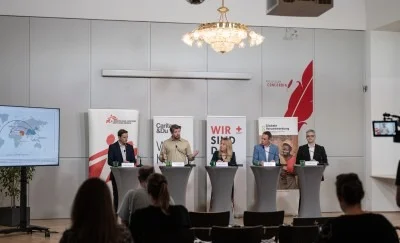
At a Vienna press conference, aid organizations underscored global cascading effects. These make international crises resonate in Austria. Complexity researcher Peter Klimek emphasized interconnected global supply chains.
Droughts and wars, for example, now trigger direct chain reactions into Europe. Disrupted fertilizer supplies directly impact Austrian inflation and food security. Therefore, “Investments in humanitarian aid are investments in our own security,” Klimek asserted.
Approximately 256 million people worldwide rely on humanitarian aid. Yet, governments are cutting budgets. Aid funds now cover just over half of those in need. Joyce Msuya urged a radical shift: the Austria UN Security Council seat must directly protect civilians, not just address crises retrospectively.
A key new theme is uncompromising accountability for war crimes. Sabine Wartha of Caritas highlighted the long-term consequences of destroying water facilities and farmland. Hunger, she noted, is deliberately weaponized.
Some 645 million people globally suffer from hunger. This situation will likely worsen due to a strong El Niño weather phenomenon. Perpetrators must no longer avoid punishment.
Michael Opriesnig of the Red Cross stressed that international law compliance cannot be delegated to algorithms. A legally binding agreement is essential. It must ensure strict human oversight of AI in warfare.
Roland Suttner from Doctors Without Borders warned against normalizing violence. In 2025, WHO recorded over 1,400 attacks on health facilities. Deaths nearly doubled to almost 2,000, with state actors causing two-thirds.
Lukas Wank concluded by appealing to the Austrian government. It must consolidate existing international commitments. These include the UN Agenda on Women, Peace, and Security and climate resolutions. Crucially, adequate funding for the national humanitarian aid strategy is needed. “Words alone would no longer suffice,” he warned, given eroding human rights.
Austria’s effectiveness will be judged by future actions. This includes boldly introducing concrete resolutions in New York. Quiet diplomacy to open humanitarian corridors in stalemated conflicts will also be crucial.