Austria is actively engaging in renewed diplomatic efforts, pressing for Middle East de-escalation following a high-level phone call with Iran’s Foreign Minister, Abbas Araghchi. Foreign Minister Beate Meinl-Reisinger underscored the urgent need for a return to diplomacy.
She unequivocally stated that military solutions are not viable. Instead, a path to stability through serious diplomatic engagement remains possible. This direct contact occurred swiftly after Meinl-Reisinger met with U.S. Secretary of State Marco Rubio in Washington.
The Austrian initiative unfolds against frozen U.S.-Tehran relations. Iran’s leadership rejects direct discussions with Washington, citing repeated U.S. violations of a ceasefire agreement. European diplomats are consequently stepping into a crucial role as communication channels between the estranged parties.
A central concern discussed was the Strait of Hormuz, vital for global oil and maritime trade. Meinl-Reisinger emphasized freedom of navigation as paramount. A prolonged blockade risks disastrous global economic consequences, threatening severe food crises in the Global South.
Tehran referenced talks with neighboring states like Oman regarding strait regulations. It also accused the opposing side of further fueling the conflict. The long-standing deadlock over Iran’s nuclear program also featured prominently.
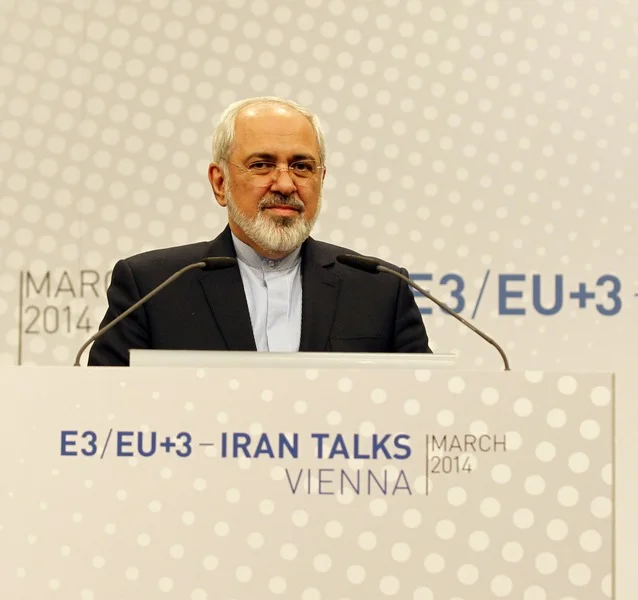
Meinl-Reisinger advocated for a new agreement with full International Atomic Energy Agency (IAEA) involvement. Vienna hosted the landmark 2015 nuclear deal (JCPOA), from which the U.S. unilaterally withdrew in 2018. Iran subsequently resumed uranium enrichment activities, with the status of its facilities currently unclear after recent U.S. military strikes.
Austria leverages its neutral status and role as an IAEA host. It is also a future UN Security Council member. However, the prospects for this Middle East de-escalation initiative remain slim. Austria lacks economic or military leverage, meaning its diplomacy is confined to appeals. Europe appears deeply divided and ineffective in the region.
Its major actors have struggled to preserve regional security structures. Iran perceives European states as powerless against U.S. policy. The unpredictability of the U.S. administration, closely allied with Israel, further impedes European efforts. Washington under President Trump and Secretary Rubio favors heavy pressure and military deterrence.
Iran highlights broken agreements and attacks on its nuclear infrastructure. Tehran views European appeals as mere tactics to buy time for the U.S. and Israel. Israeli leadership aims to weaken Iran’s nuclear program through military means, often clashing with European diplomatic compromises. Meinl-Reisinger’s call demonstrates professional mediation, yet a breakthrough is unlikely. European initiatives will mostly serve as valuable communication channels, maintaining open lines should primary parties eventually seek negotiations.